















Punishment is Not Prevention
A campaign built on the belief that investing in people over prisons can improve social safety, reduce harm, and support stronger communities.
Campaign Overview
Punishment is Not Prevention is a public awareness campaign that challenges the idea that incarceration alone creates safer communities.
The campaign reframes public safety by asking viewers to consider what happens before harm occurs, and how prevention can address the conditions that often lead people into crisis.
Housing, mental health care, youth programming, community support, and harm reduction are positioned as essential public safety tools rather than afterthoughts.
The goal is to shift the conversation away from punishment as the default response and toward prevention as a practical, human-centred alternative.

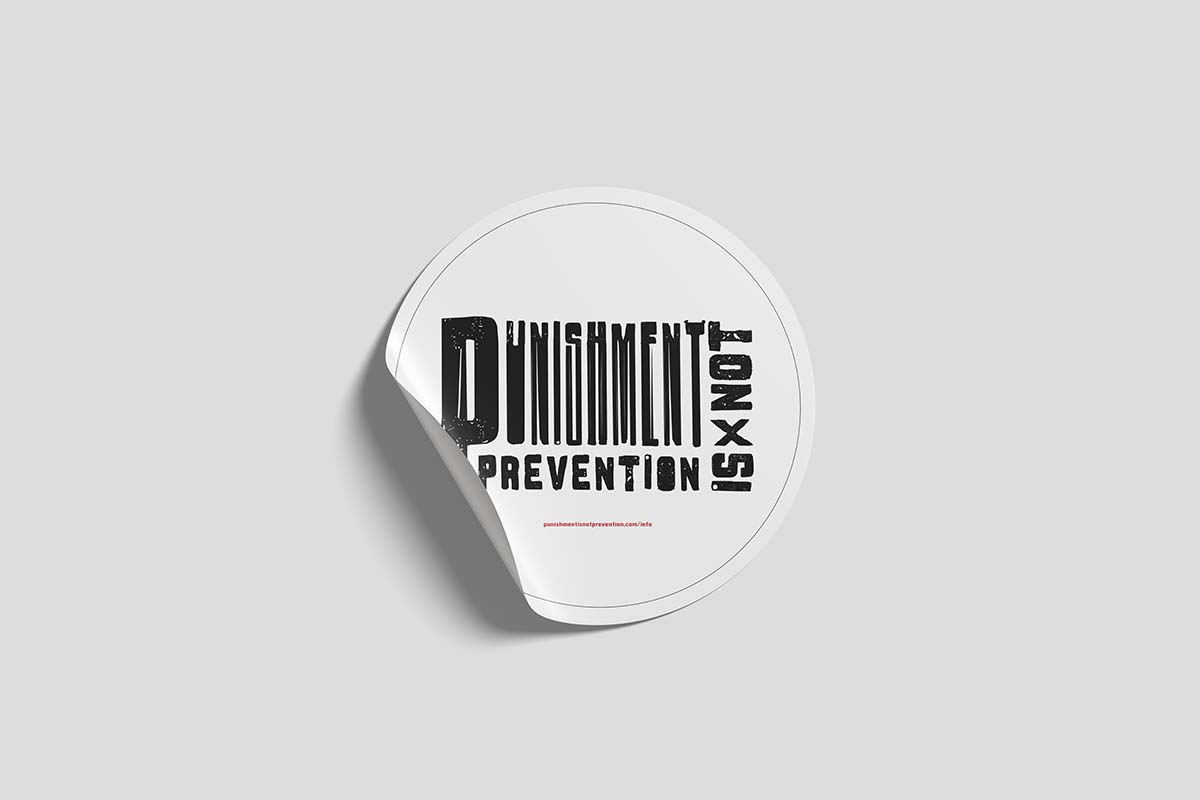
Identity
The campaign identity uses a stark black, white, and red palette to create a direct and urgent visual tone.
The wordmark uses extended letterforms that reference prison bars and barcode-like repetition, connecting the visual language to systems of control and containment.
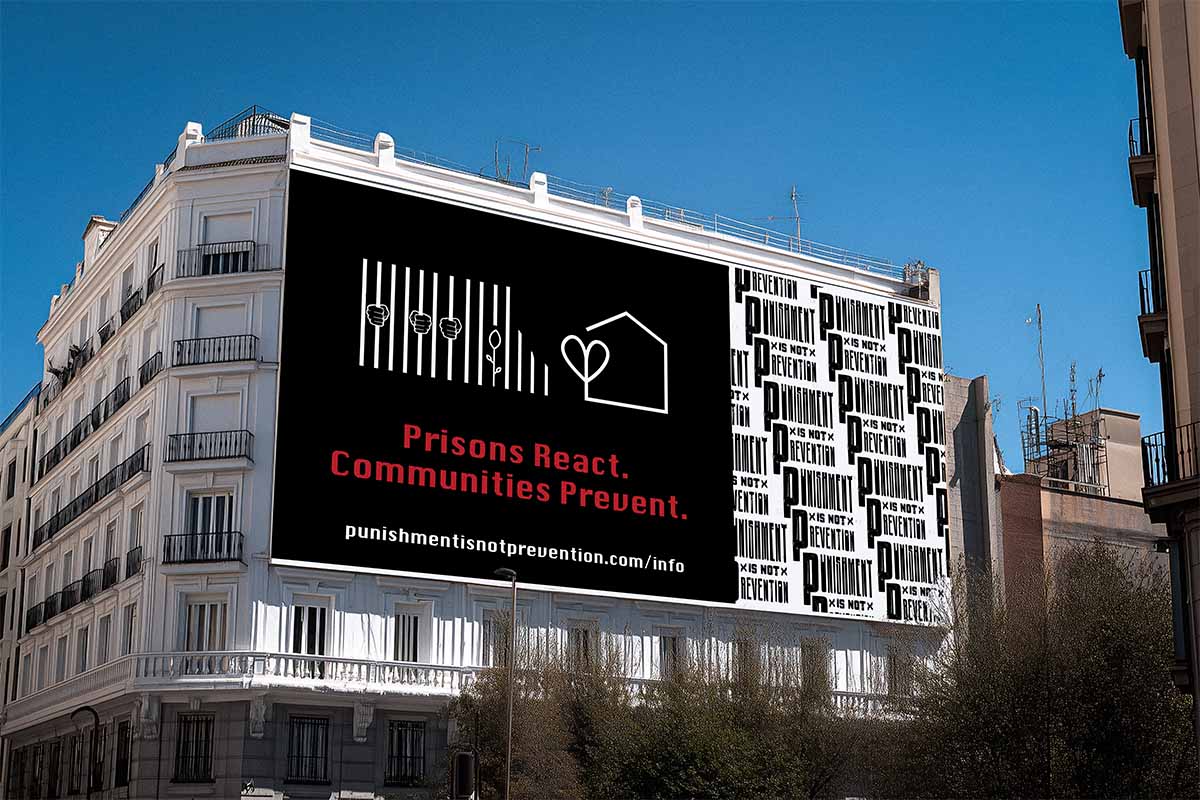
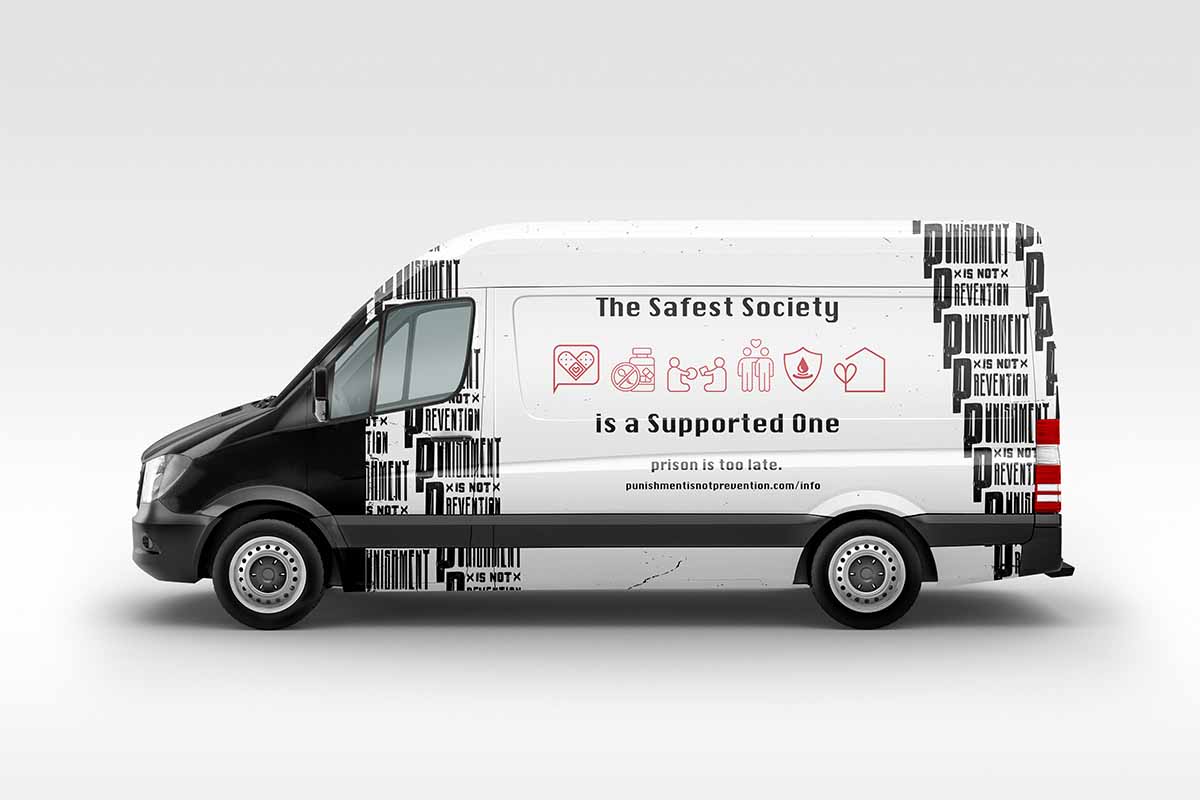
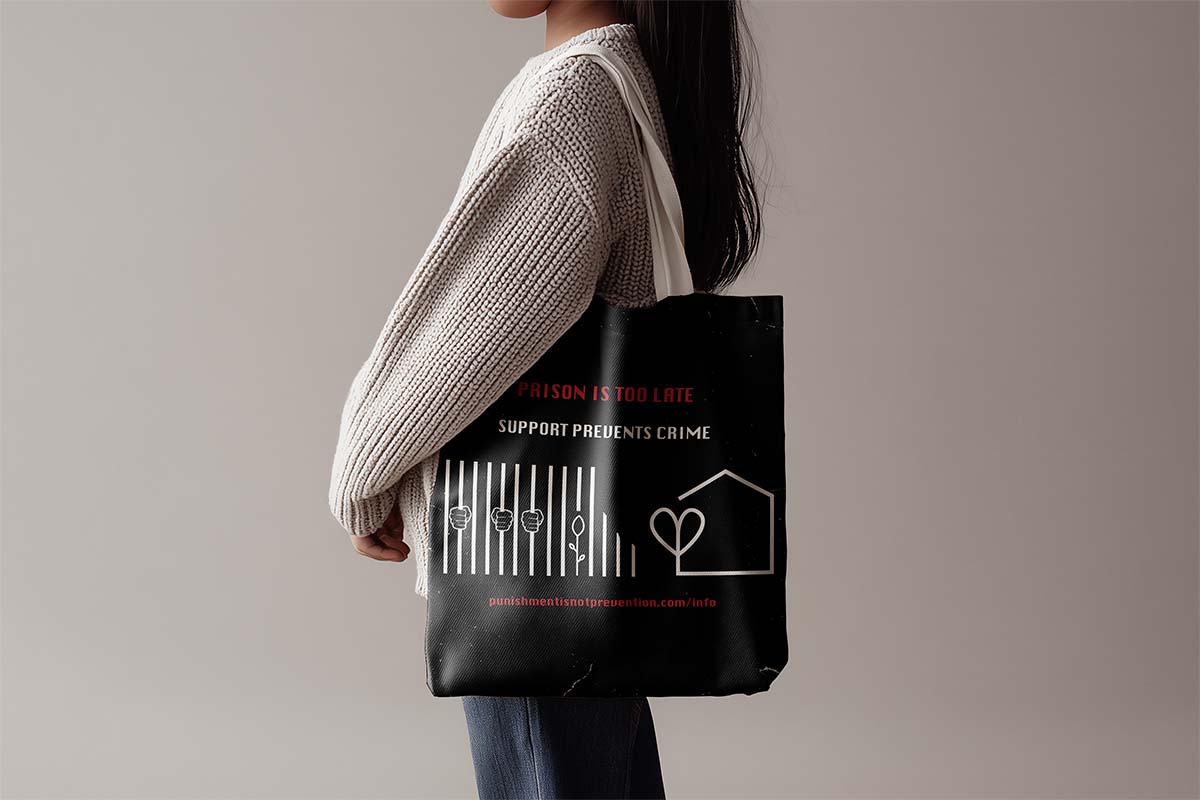
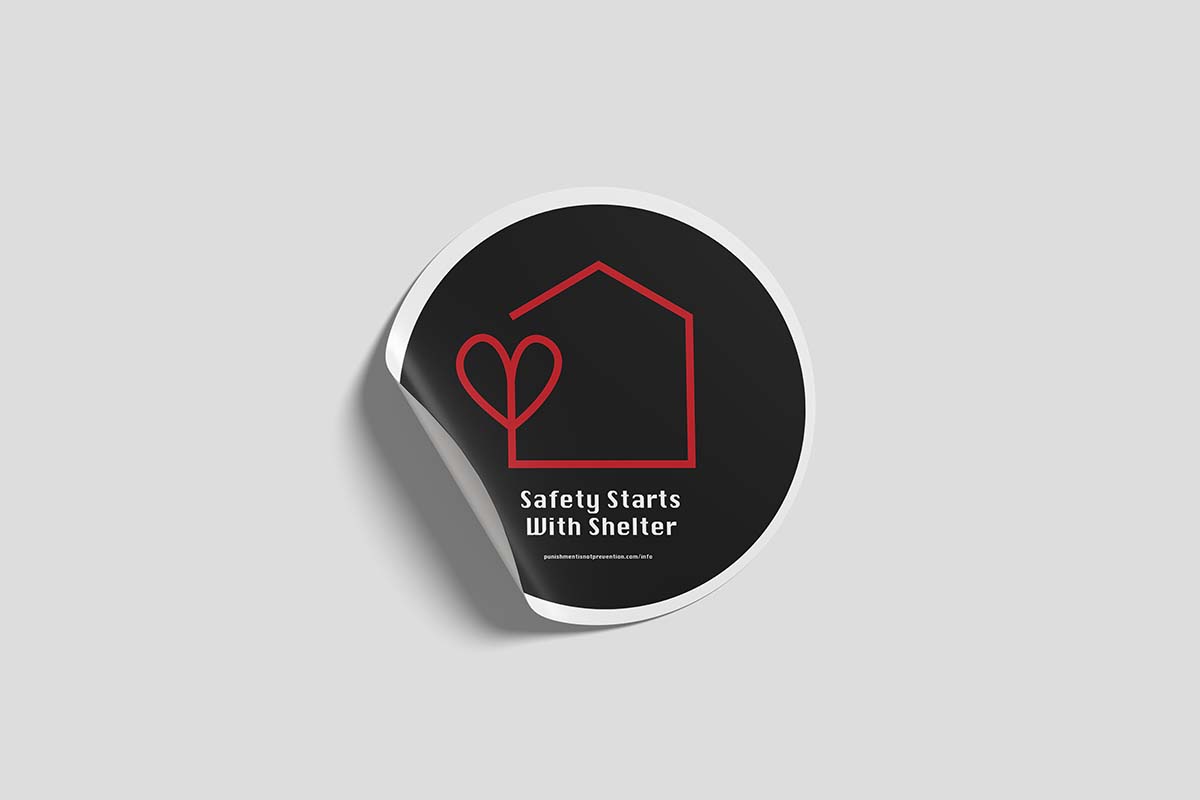
Supporting graphics include broken bars, rough texture, and simple icons representing housing, youth support, counselling, harm reduction, safety, and community care.
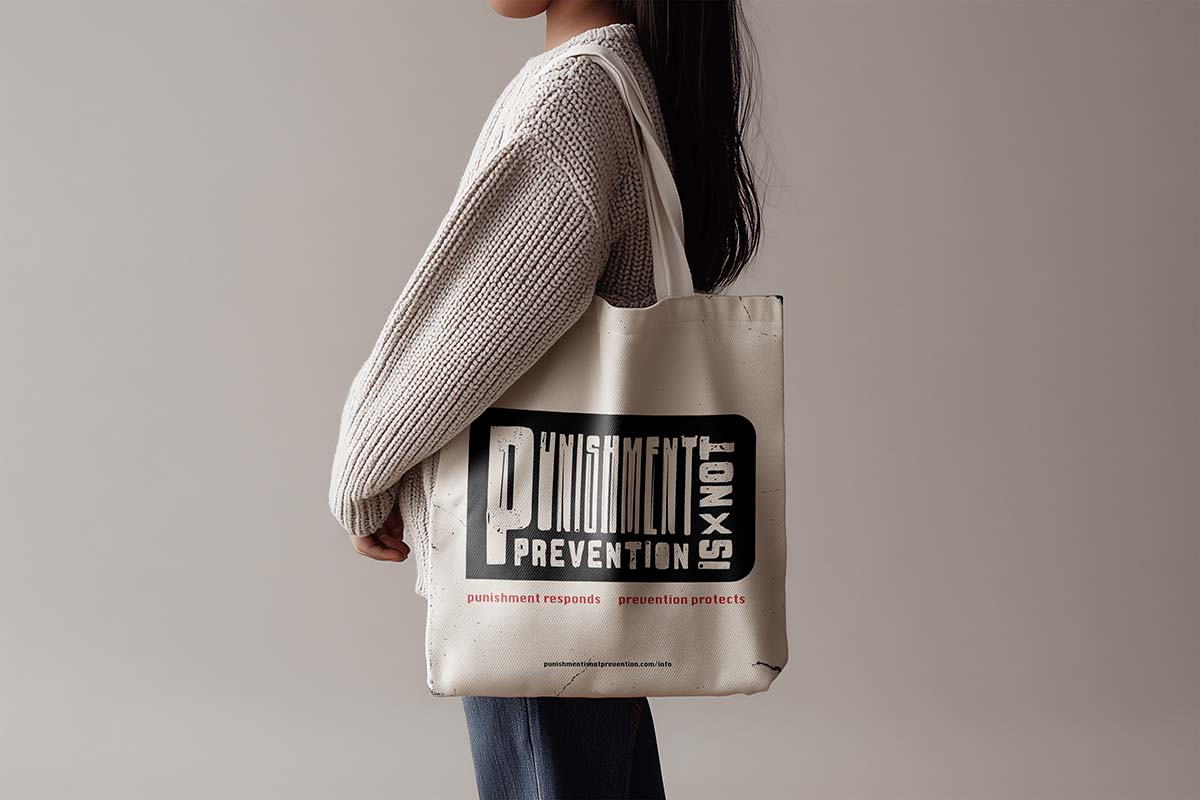
The identity was designed to feel bold, public-facing, and easy to apply across print, social, merchandise, and environmental placements.
Expressions
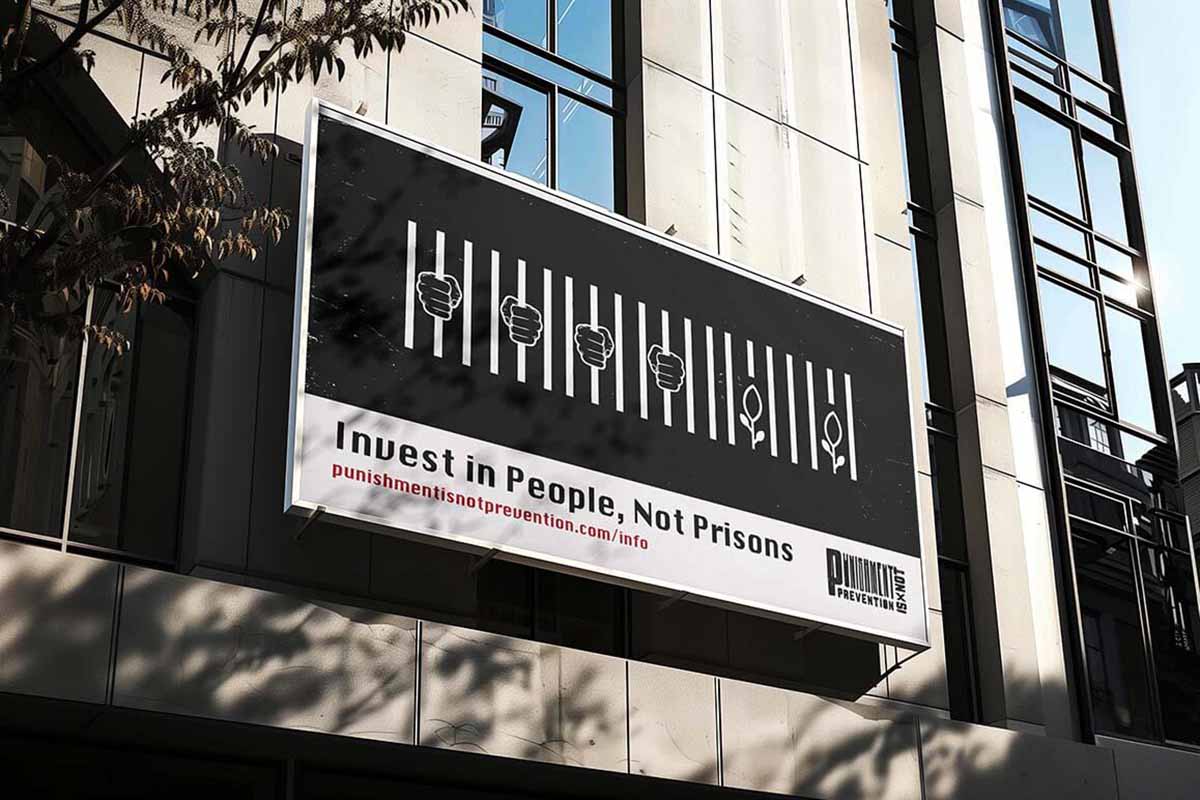
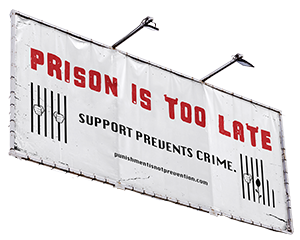
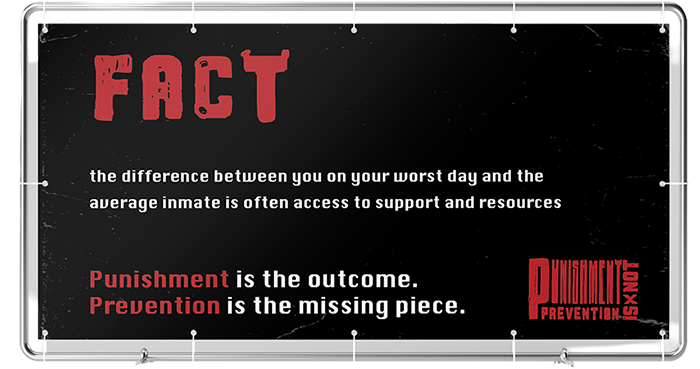
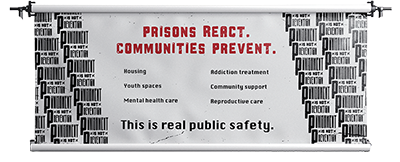

Guerrilla Advertising
The guerrilla advertising concept brings the campaign into public spaces where people naturally gather, walk, wait, and move through their daily routines.
Large signs, environmental placements, and public-facing messages are used to interrupt familiar spaces and ask viewers to reconsider what safety looks like before harm occurs.
These placements are designed to feel direct and immediate while still connecting back to the larger campaign identity.

Social Media
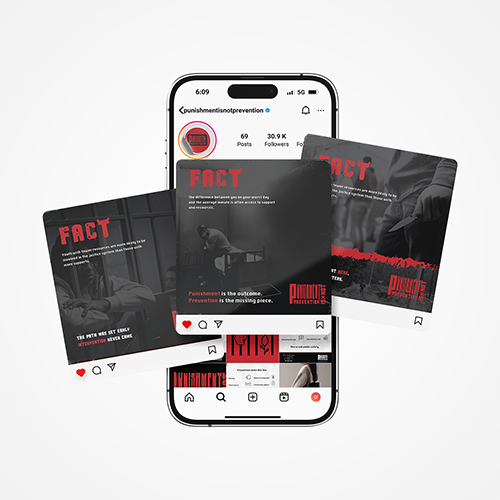
Social media expressions extend the campaign into a space where the message can be shared, repeated, and discussed quickly.
Carousel posts break the campaign idea into digestible pieces, combining short statements, statistics, and calls to action.
Story formats create room for interaction, encouraging viewers to reflect on prevention, support systems, and the social conditions connected to harm.